





How to Choose a Small CNC Engraving Machine: 7 Things to Check Before Buying
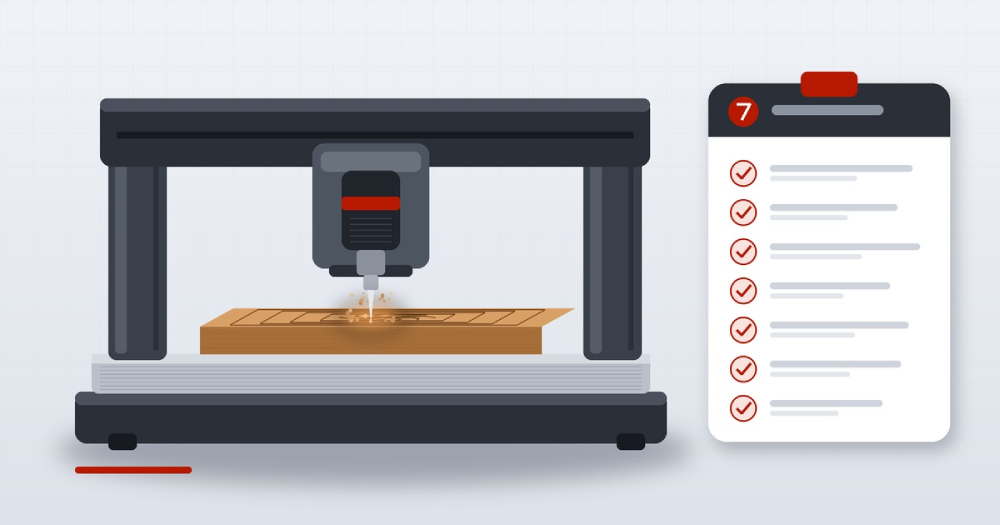
When choosing a small CNC engraving machine, you may start by comparing price, size, and specifications. But what really determines whether a machine is suitable is whether it can produce your workpieces, and whether your team has the conditions needed to operate and maintain it.
Whether you plan to use it for product prototyping, classroom projects, or custom production, we recommend clarifying the following 7 points before comparing machines. The clearer your requirements, the easier it is to get a useful quotation and configuration recommendation.
1. What machining functions does your project need? Define the purpose of your CNC first
Start with what you want to make, then confirm the machining functions required. Surface text engraving, contour cutting, drilling, pocketing, and 3D shaping may each call for different tools, toolpaths, and machine conditions.
When requesting a quotation, provide photos of your work, design drawings, or samples, and mark the areas you want machined. Specific machining needs help a supplier judge whether a machine is suitable far better than simply saying "I want to buy a small CNC."
2. Can this CNC handle the material you want to machine?
Don't just ask whether a machine can process "plastic" or "metal." Provide the exact material name, thickness, and intended machining operations. Different materials and machining methods may require different conditions.
Whether a material can be machined depends on the machine model, tooling, workholding method, and machining conditions together. If you have critical dimensions or surface-quality requirements, ask whether a test sample can be arranged, and confirm that the test conditions are close to your actual use.
3. Does fitting the workpiece mean it can be machined? Check the working range and clamping space
A machine's external dimensions, the workpiece size it can hold, and its actual machining range are three different things to evaluate. Even if a workpiece fits inside the machine, you still need to confirm that the tool can reach the areas you plan to machine.
Provide the full length, width, and height of the workpiece, and confirm with the supplier the workpiece thickness, tool extension length, and the space taken up by fixtures. If the part needs to be flipped or clamped multiple times, discuss how it will be positioned in advance.
4. Can it be made, and can it meet your requirements? Clarify dimensional tolerance and surface quality
A model made for display and a part made for assembly testing may have different acceptance criteria. Before buying, decide which dimensions must be controlled and what the finished surface needs to look like.
If you have assembly requirements, provide the critical dimensions and tolerances; if appearance matters, provide a reference sample or photos. Don't judge finished-part performance from a single precision figure. Confirm how the specification is defined and under what actual machining conditions it applies.
5. How do you get from design to machining? Confirm the software and workflow
Introducing a CNC machine also means building a workflow that links design files, toolpaths, and machine operation. If your team already has preferred design tools, first confirm how the files will connect.
Before purchasing, check which software is included, whether the license is covered in the quotation, which file formats are supported, how toolpaths are created, and whether training and documentation are provided. Also confirm which steps are left for you to complete yourself.
6. Where will the small CNC go? Confirm the installation environment first
Even a small machine needs a suitable workbench, power supply, and operating space. When planning the location, besides the machine's footprint, leave room for loading and unloading workpieces, cleaning, and maintenance.
Depending on the materials and machine configuration, confirm with the supplier whether dust collection or other supporting equipment is needed. For teaching use, also plan operation management, teacher training, and safe-use procedures so that the setup fits the course schedule.
7. Beyond the machine price, what other costs come with adopting a CNC?
When comparing small CNC prices, use the complete set of items needed to get started as your baseline. Besides the machine itself, check whether software, tools, fixtures, consumables, shipping, and training are included in the quotation.
After-sales support should also be part of your evaluation, including warranty coverage, how technical consultation is provided, the repair process, and parts supply. For overseas purchases, you can further confirm delivery terms and local service arrangements to avoid quotations with inconsistent scopes of service.
Looking for the right CNC? Prepare these 7 items before requesting a quotation
Organizing your requirements into a simple checklist reduces back-and-forth and makes it easier for the supplier to give specific recommendations.
| Item | What to provide |
|---|---|
| Machining purpose | Prototyping, teaching, or custom production |
| Material | Exact material name and thickness |
| Workpiece size | Length, width, height, and the intended machining area |
| Machining operations | Engraving, cutting, drilling, pocketing, or 3D machining |
| Finished-part requirements | Critical dimensions, tolerances, and surface finish |
| Reference materials | Design files, photos of your work, or physical samples |
| Usage requirements | Quantity, frequency, and place of use |
Other questions you may have when choosing a small CNC engraving machine
Can I choose my first CNC based on price alone?
We recommend confirming your machining needs and workflow first, then comparing quotations with the same configuration and scope of service. If necessary software, tools, or training are missing, the machine price alone may not reflect the full cost of adoption.
What materials can a small CNC machine process?
It depends on the machine model, the material, and the machining operation. Provide the exact material, workpiece size, and finished-part requirements so the supplier can confirm a suitable configuration; for special requirements, you can discuss sample testing.
Can we start discussing without complete design files when requesting a quotation?
Yes. You can begin with photos of your work, estimated dimensions, the material, and the purpose of machining as a basis for initial discussion. To confirm machining details and finished-part requirements, you may still need to supply design files or samples later.
Start from your machining needs and find the right machine configuration
The key to choosing a small CNC engraving machine is to match the machine's capabilities, your finished-part requirements, and your team's operating conditions. Organizing your needs first, then confirming the configuration and service scope, makes purchasing discussions more efficient.
Evaluating a suitable CNC machine? Feel free to send us your material, workpiece dimensions, design drawings, or photos of your work, and discuss your machine options with the Bravoprodigy team.
Further reading: Bravoprodigy Applications